
The Magic Morning at Blue Spring State Park During Manatee Season
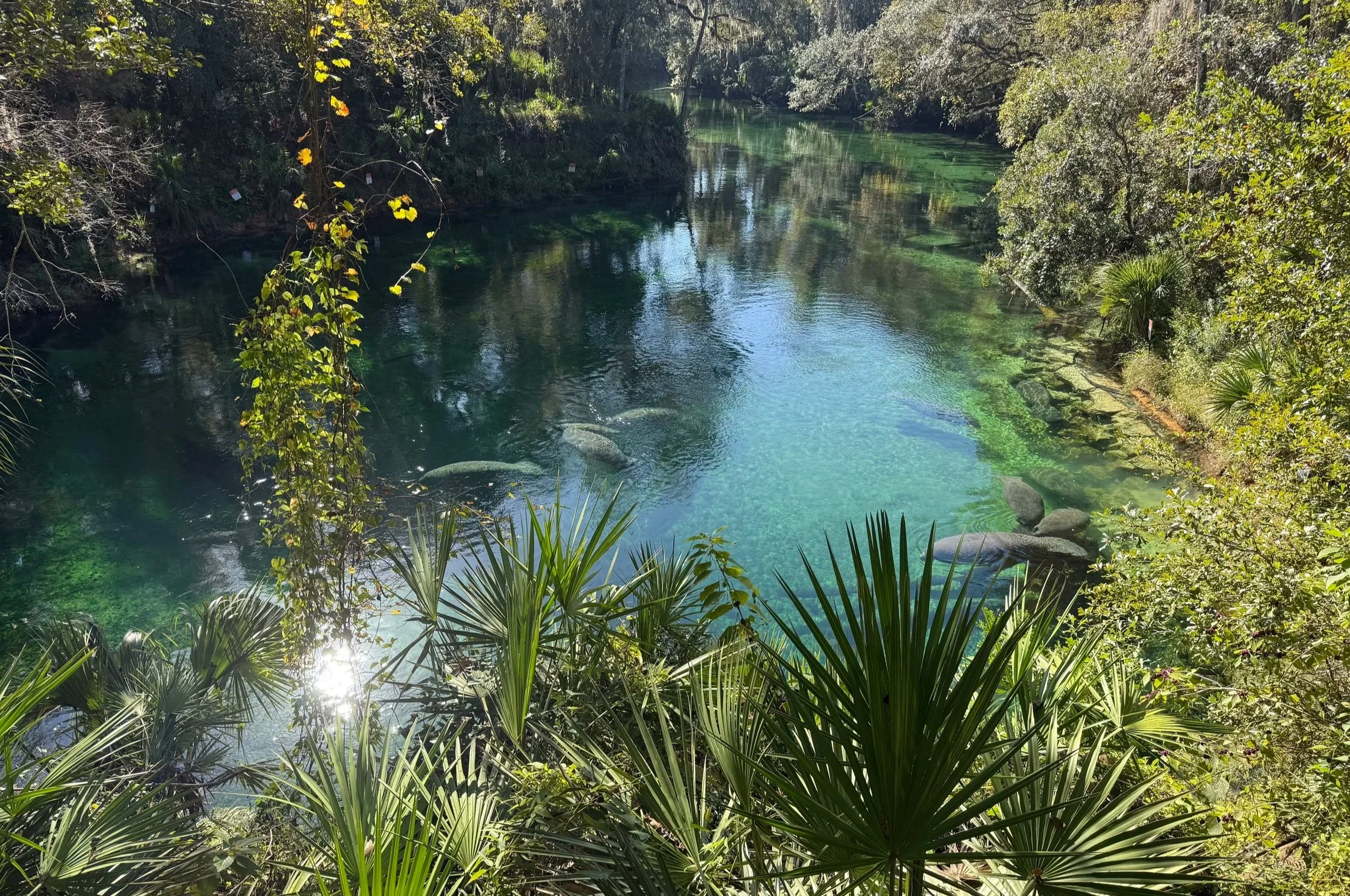
Manatees gathering at the spring vent, also called “the boil”.
By Melisa L Martinez, Guest Writer & Stetson University Student
In a whispering, breezy morning while the sun was rising and the grass was still wet from the morning’s dew, I set out on a journey to the St. Johns River to see manatees at the beginning of their winter migration. The winters in Florida are kind, neither demanding nor dull, it is simply perfect. Like us, manatees are warm-blooded mammals that need shelter from the cold. Around November every year, the gentle giants migrate to the warm waters of Florida’s freshwater springs (72 degrees year-round), instinctively trying to survive the biting cold as water temperatures drop.
The views along the St. Johns River were covered with beautiful greenery everywhere you looked, so stunning it took my breath away. As soon as I arrived at Blue Spring State Park, I was kissed by the faint aroma of damp soil and moss lingering in the air. But when Erin Paulakovich, my guide and compass for the day, arrived, the real adventure began.
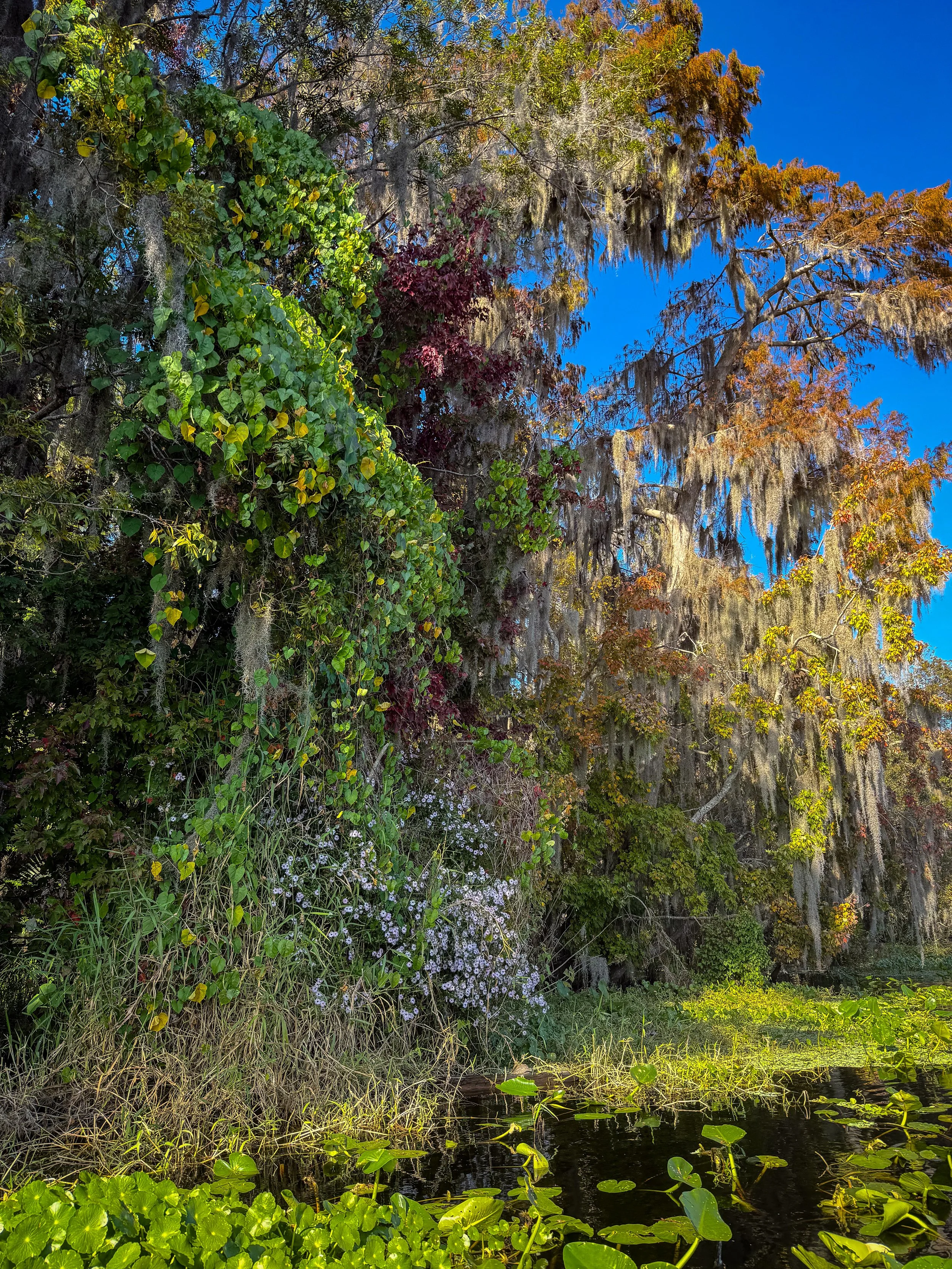
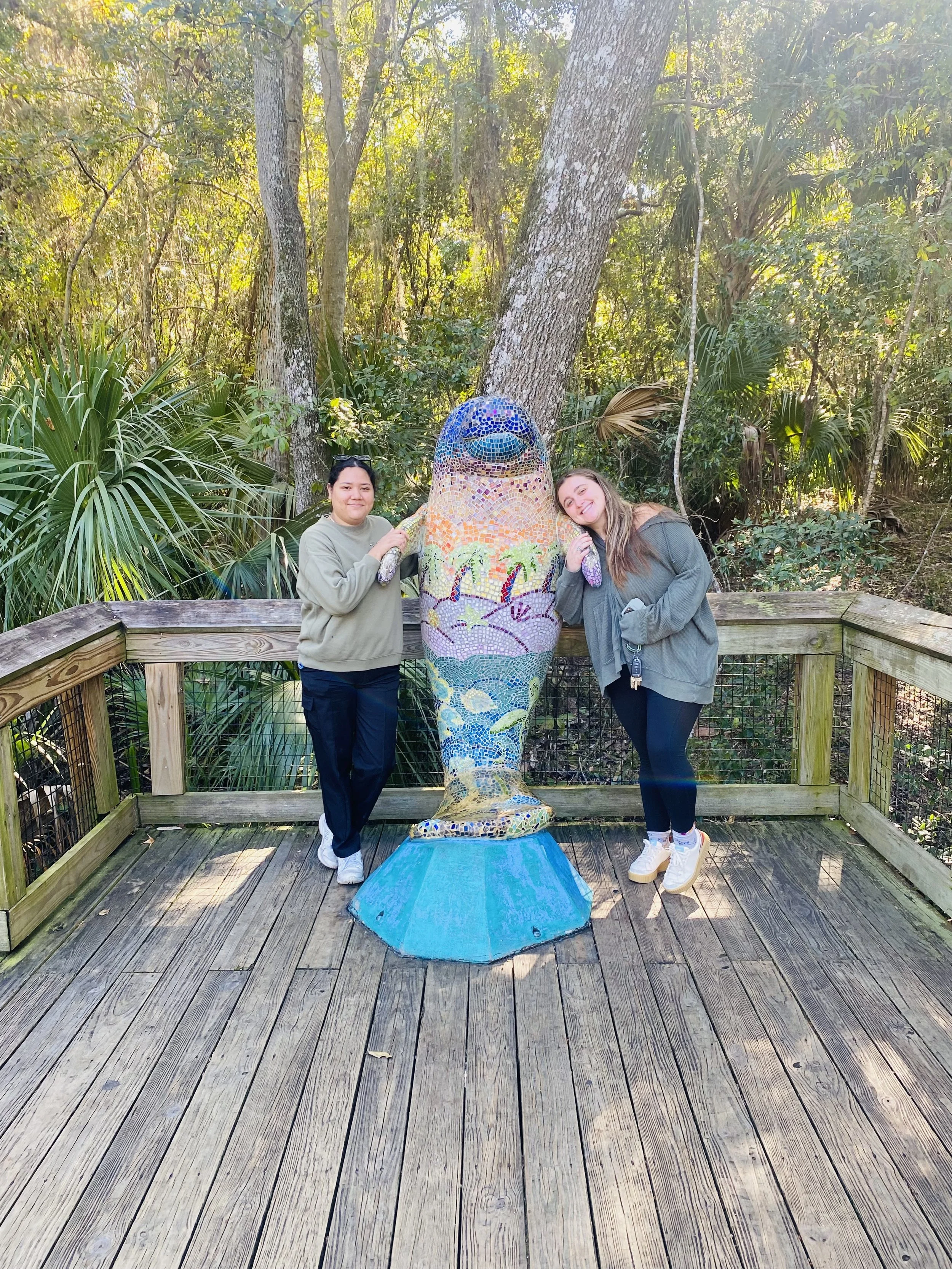
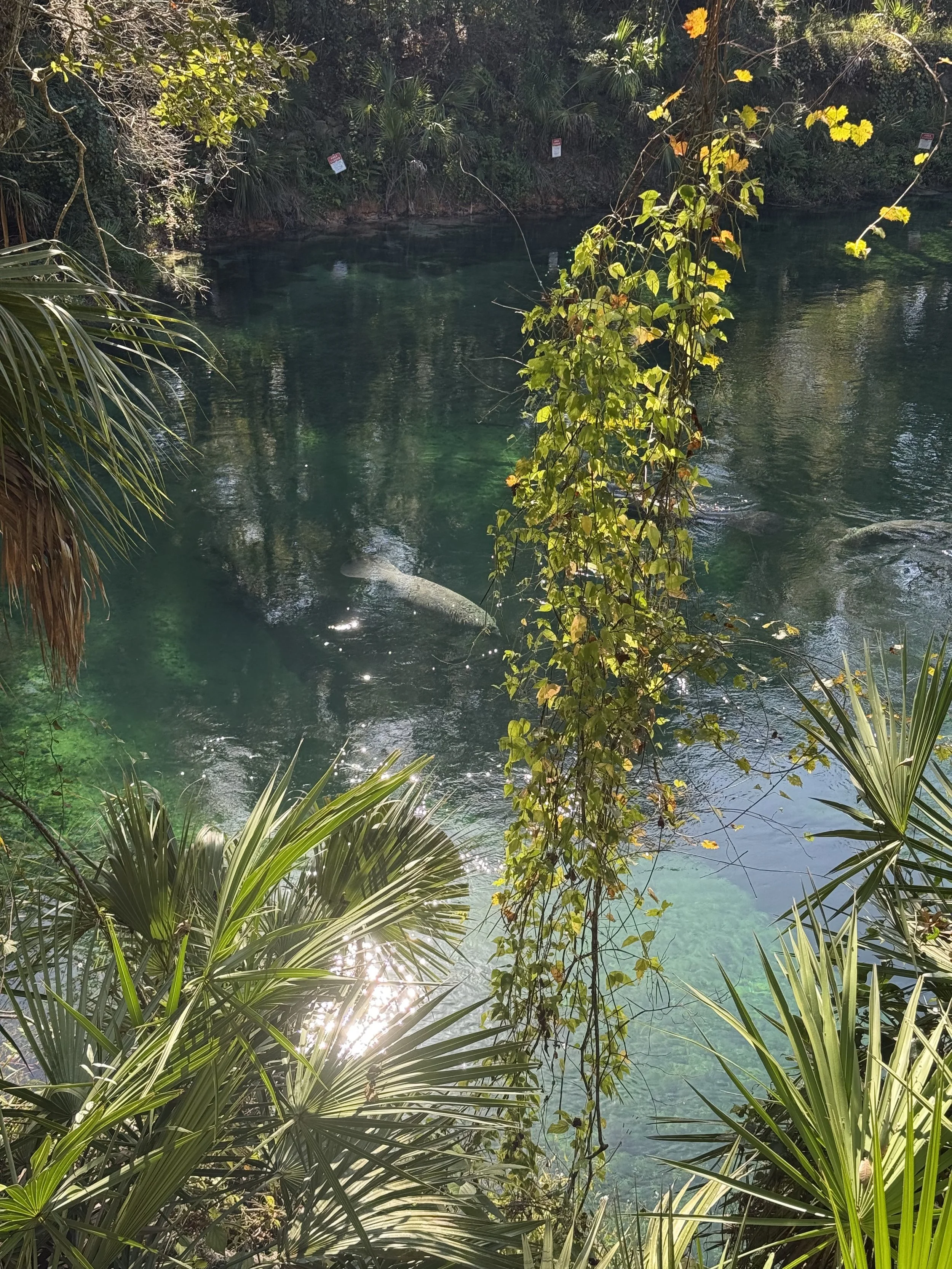
While walking along the boardwalk, Erin pointed out to me my very first manatee right in the flesh. The water was a little murky due to the high water levels resulting from the weather of the previous day. But still, I could see the manatee moving and re-acquainting itself within the freshwater spring run.
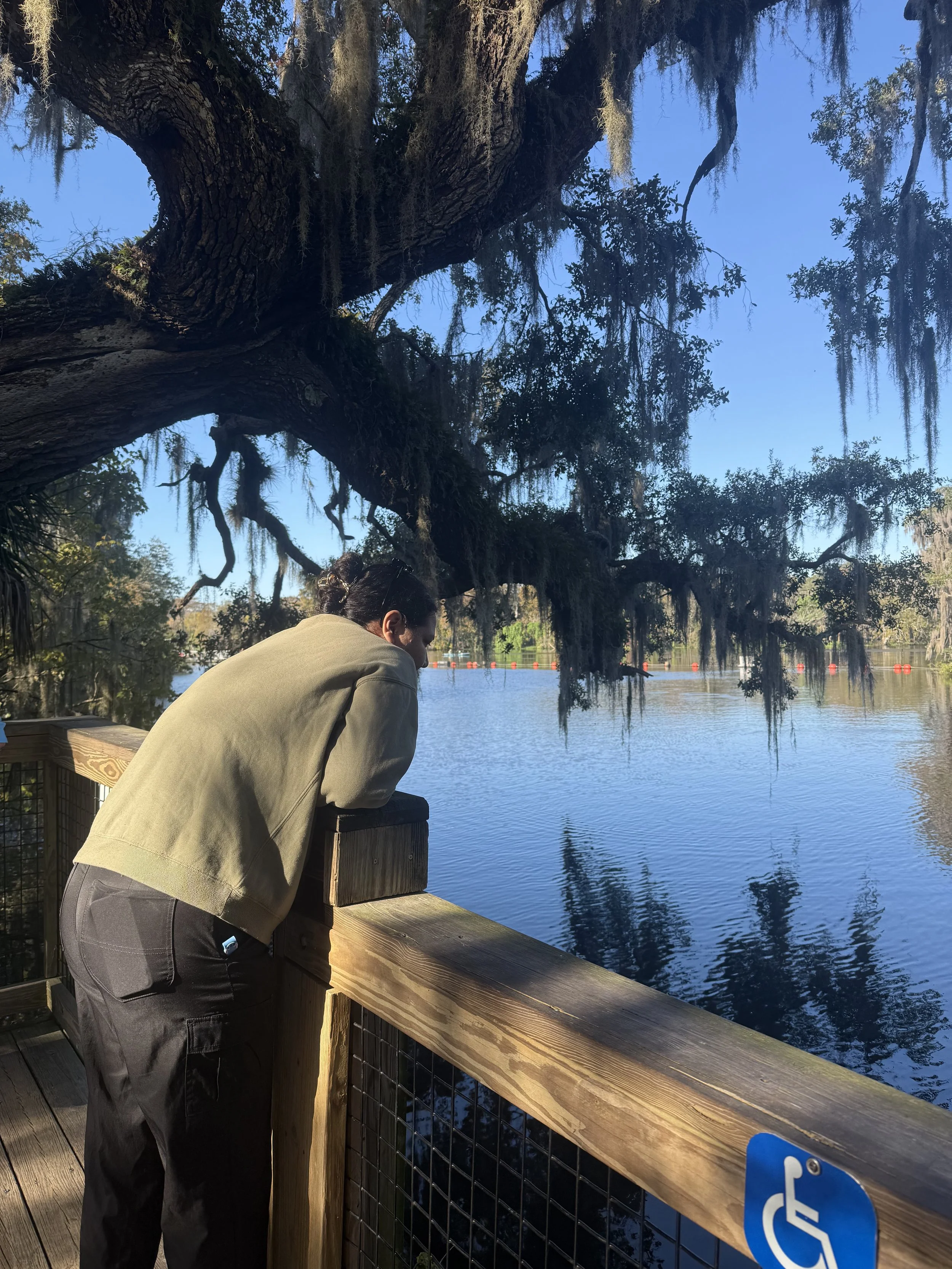
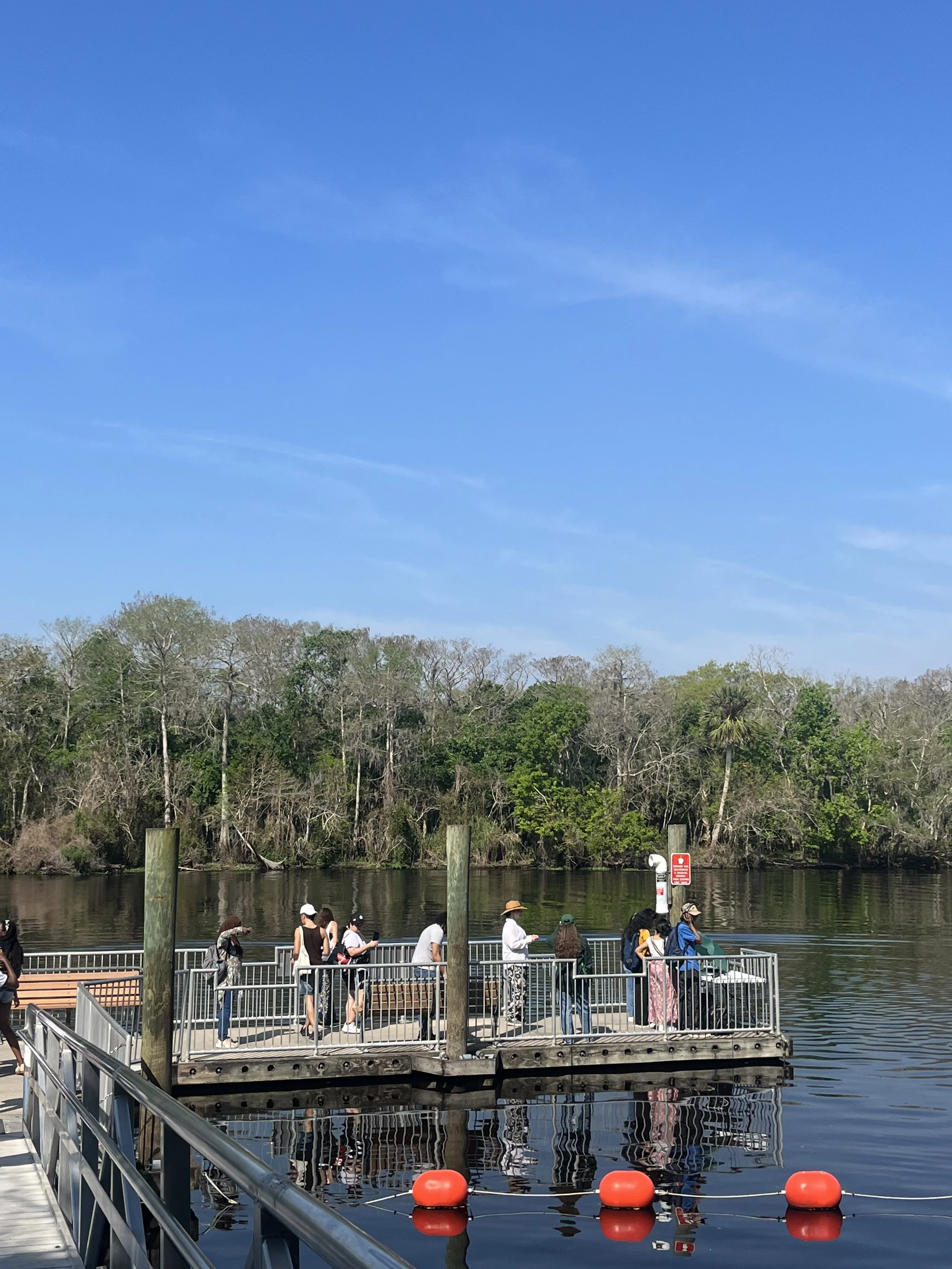
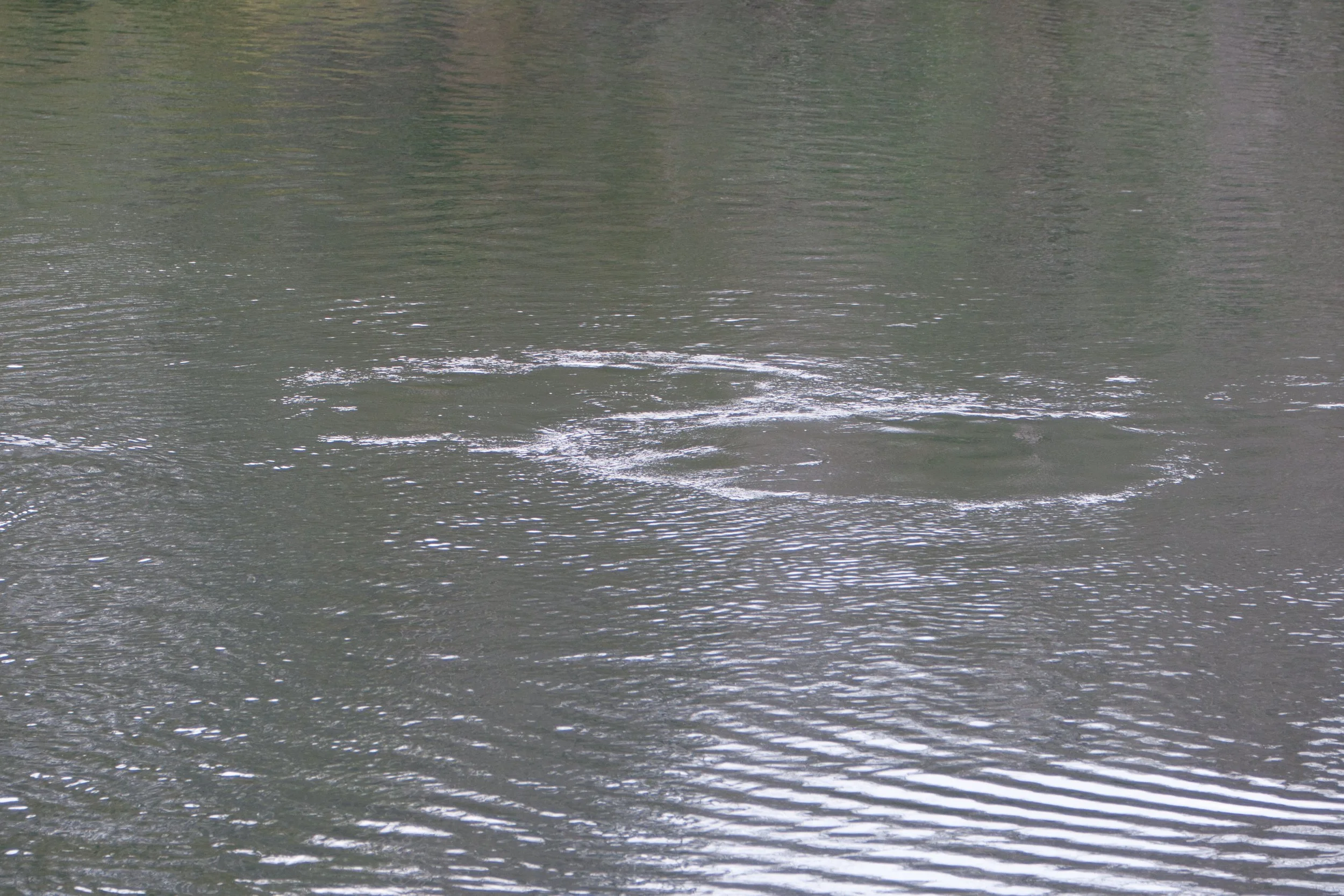
We wanted to see the manatees up close, so we moved towards the docks where the river cruises launch. Waiting in anticipation for one of those aquatic gentle giants to approach, one came out of the warm water of the spring, maybe heading off for food beyond the docks. This gentle giants frame was mighty; he greeted us quickly before passing by. In its wake, we could see its manatee tail leaving a trail of rings. “Manatee footprints,” Erin said, further explaining that their tails leave a trail, making those who know this fact aware of the gentle creature being nearby. It struck me then how unaware some of us are... How easily a moving boat with an adventurer can miss these signs in the water.
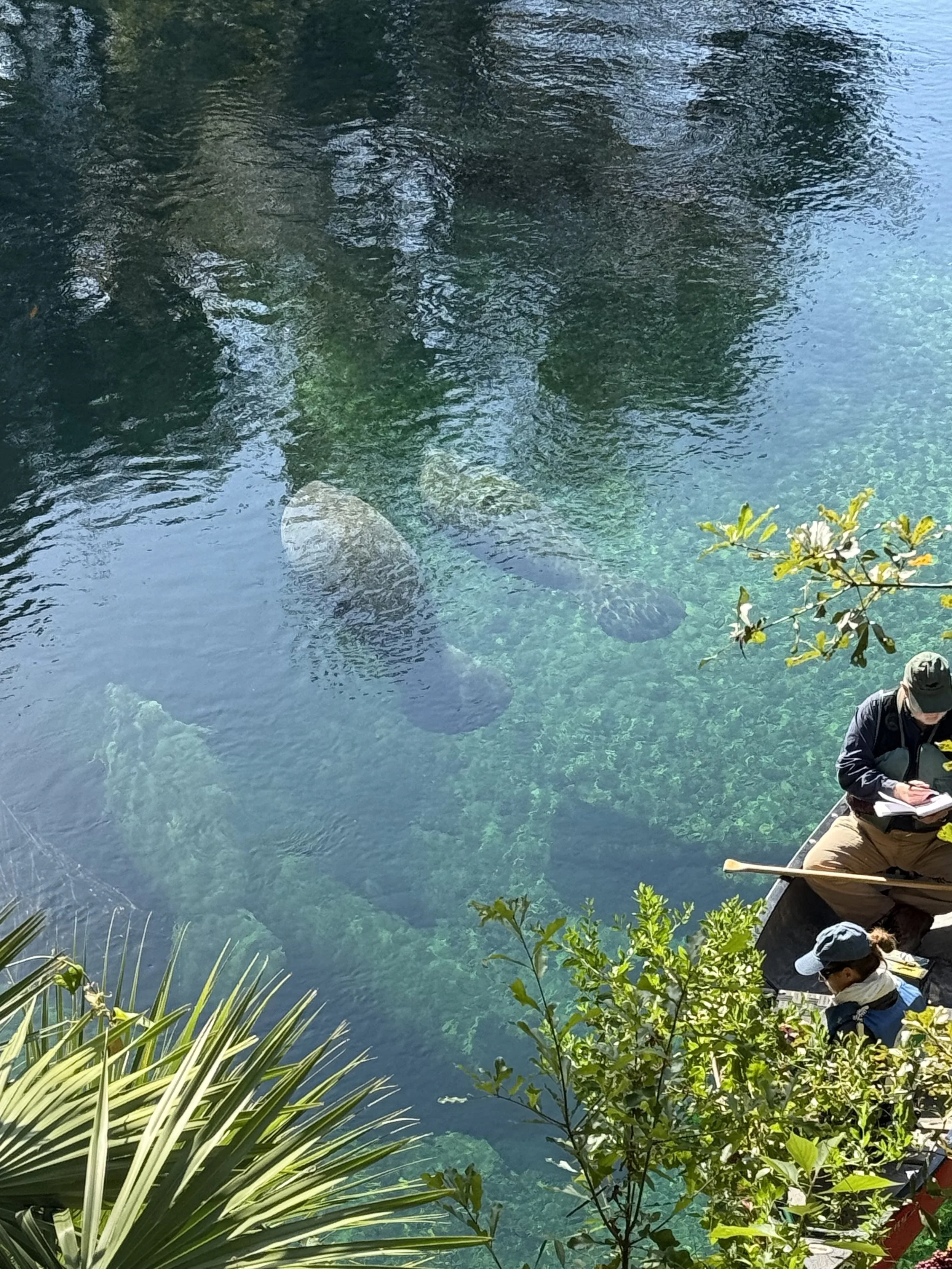
In search of more encounters with manatees, we went up the trail towards a secluded area in the Spring Run. It gave us the most magnificent view of where the Spring water comes from (“the boil”). The shimmering, crystal clear water came to life with the sun hitting it just right — making it look like diamonds adorned it. I could stay there forever seeing the manatees being playful with the kayak where Save the Manatee Club sits counting them. It was so peaceful seeing how the baby manatee twirl as if dancing, or just watching the manatees all hanging out as if they have known each other for a lifetime.
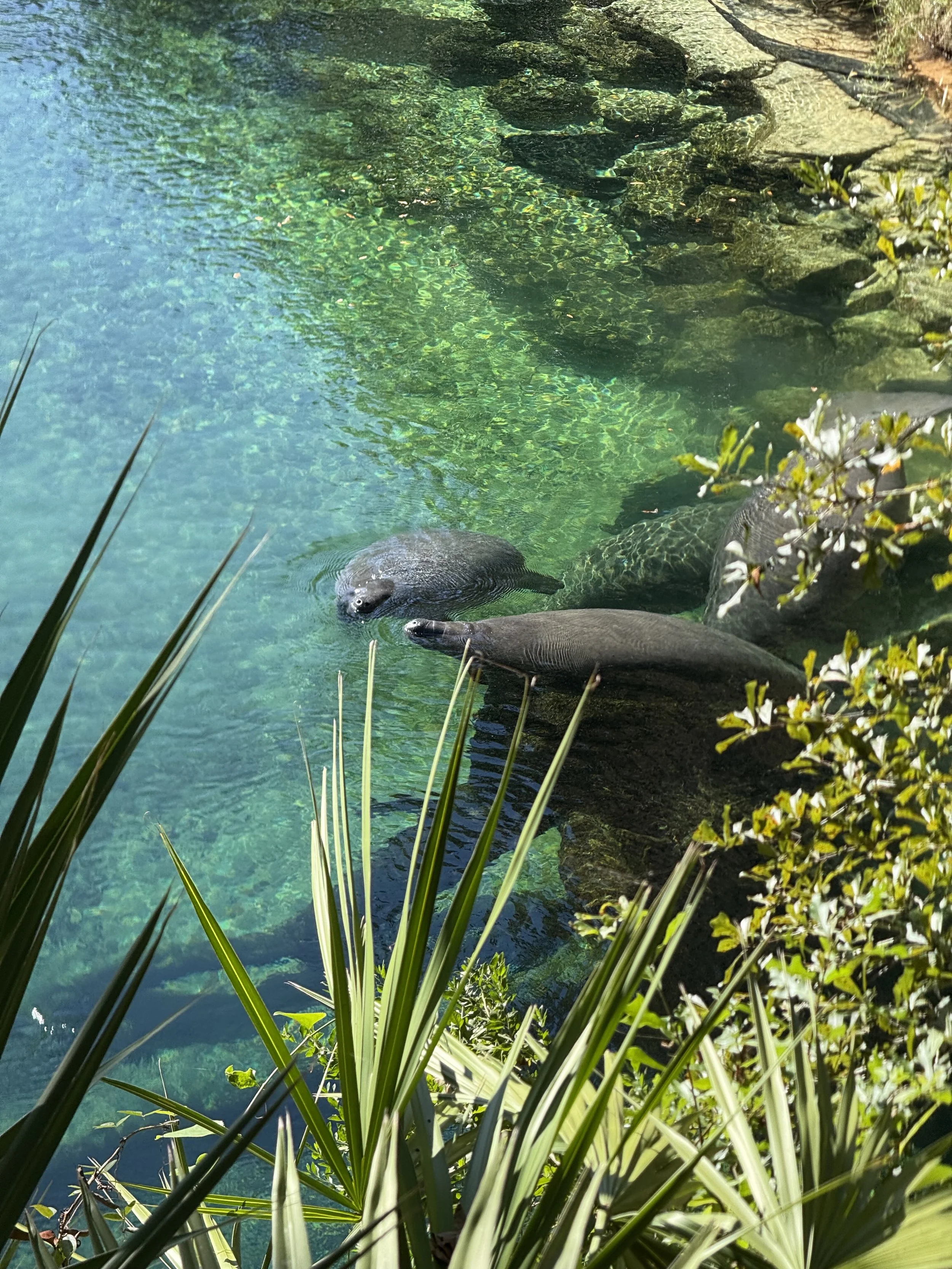
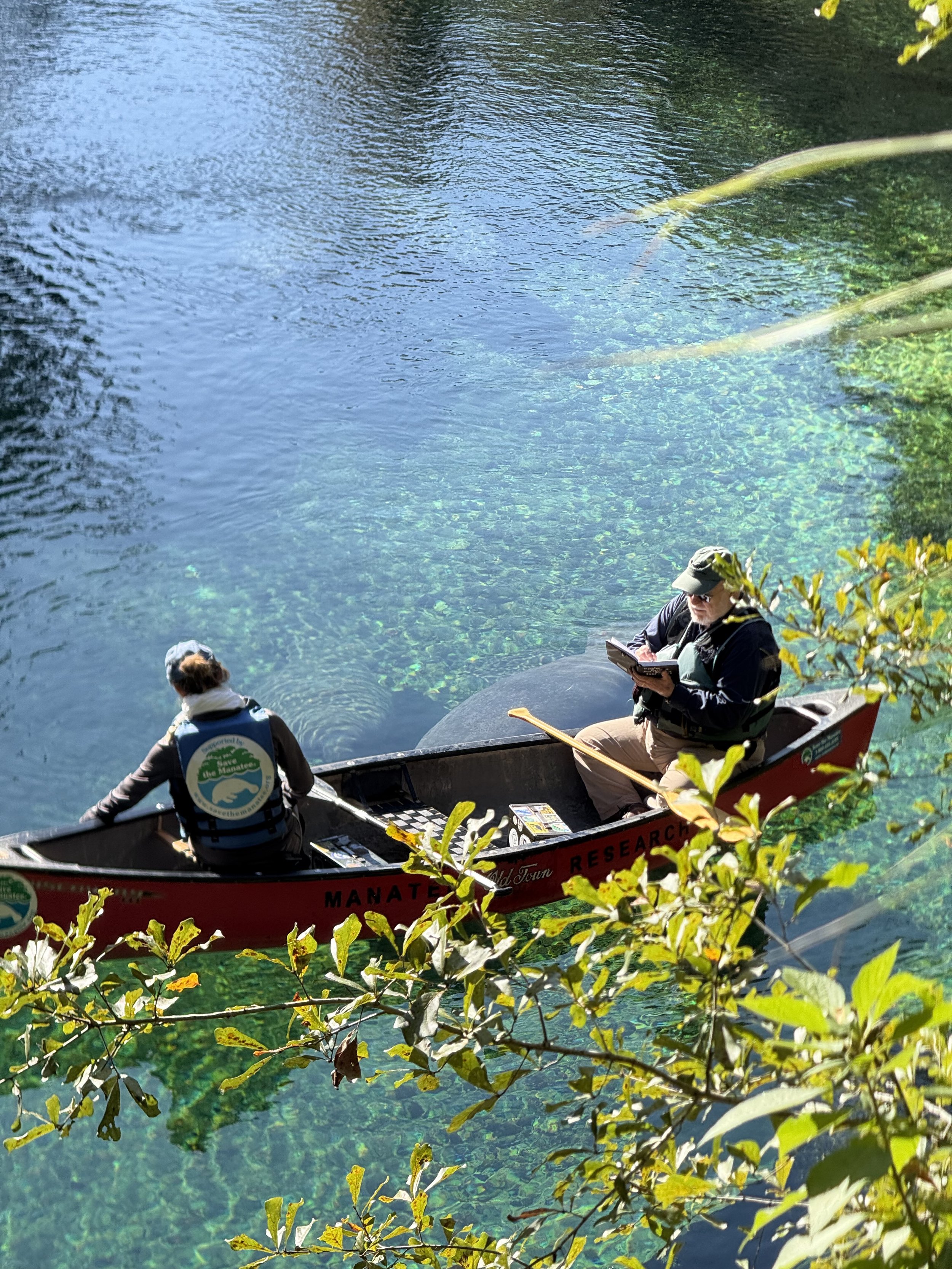
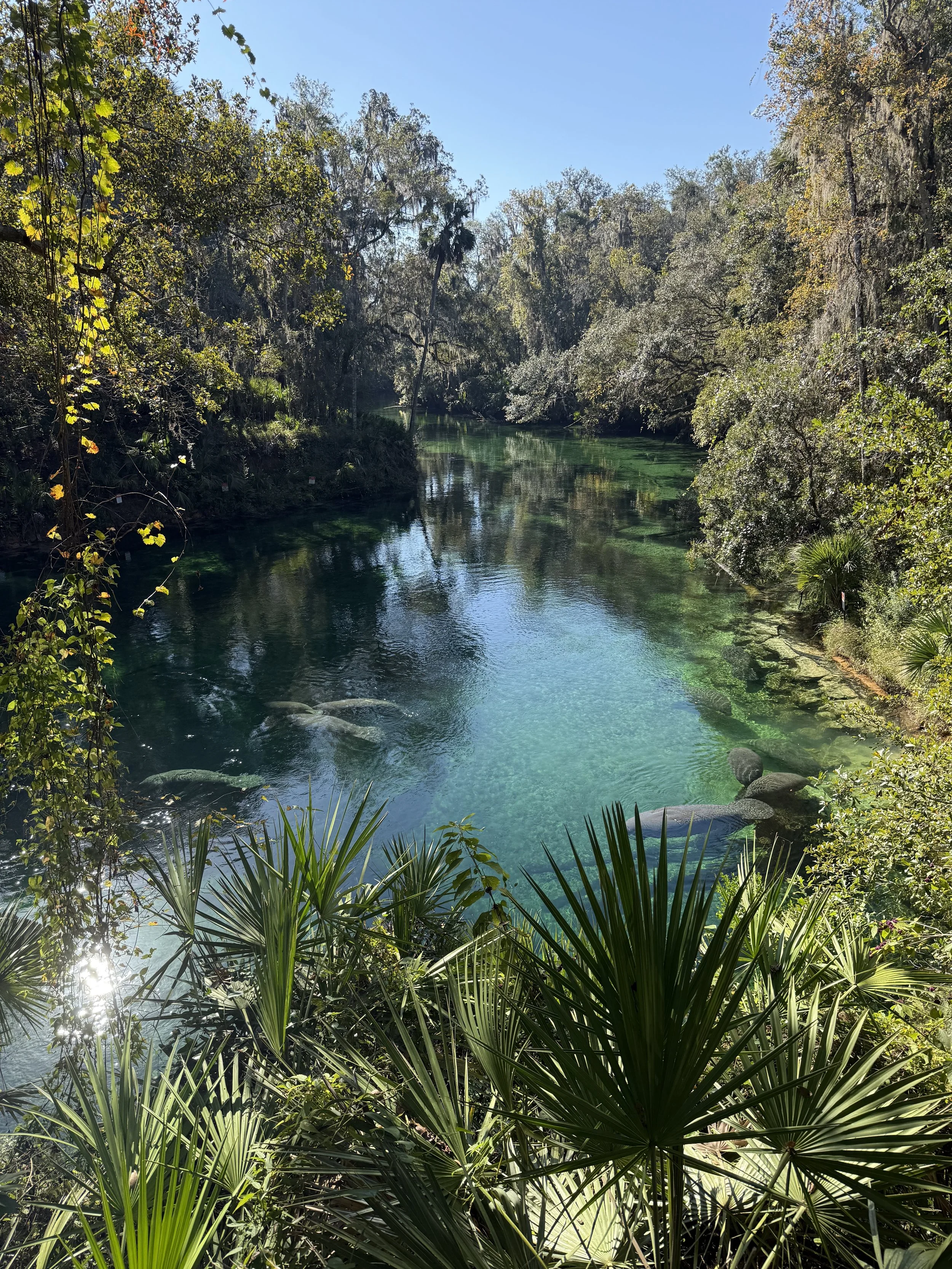
In that instance, taking in the baby manatees and their mothers frolicking about in the crystal clear water, it made me remember the reason there were 175 manatees here for me to admire. While many of us enjoy the winter times of seasonal fun, it is not the same for these gentle giants. During this seasonal change, the manatees migrate to warmer waters to escape the horrors of cold stress syndromes. While many migrate, there are a few unlucky fates that experience a weakening in their immune system, damage to their beautiful battle scarred skin, and lose their adorable weight by disrupting their ability to wanting to feed. It’s called cold stress syndrome and this could ultimately lead to their death.
The St. Johns River spends every awakening moment hearing the hums and splashes of boaters, paddlers, and anglers. Many river journeys begin at Holly Bluff Resort Marina, a key access point for this stretch of the River, sitting just 5 miles from Blue Spring State Park. Signage, informational pamphlets, and seasonal reminders act as reinforcement of what the shallow waters of the St. Johns River cannot. Along the River, manatees share the channels, and their survival depends on our awareness. Manatees have no natural predators, yet almost all of them have motor vessel scars.
Tips for boaters:
Check around your vessel before starting boats for manatees.
Always obey posted speed zones.
Avoid boating over near seagrass beds and shallow areas where they eat.
Wear polarized glasses so you can better spot them below the water.
Stay aware and educated.
Don’t forget: manatees rest just below the surface, they blend perfectly with the murky water, and they surface for a breathe every 3-5 minutes. Drive safe and be extra aware during the winter months as Florida’s favorite animals migrate to their warm-water shelters.
WATCH: Holly Bluff Resort Marina to Blue Spring State Park by boat!
